
Ev / Haberler / Sektör haberleri / Dişli Motor Torku Nasıl Hesaplanır: Mühendisler İçin Adım Adım Kılavuz


 dil
dil
Uygulama endüstrisi
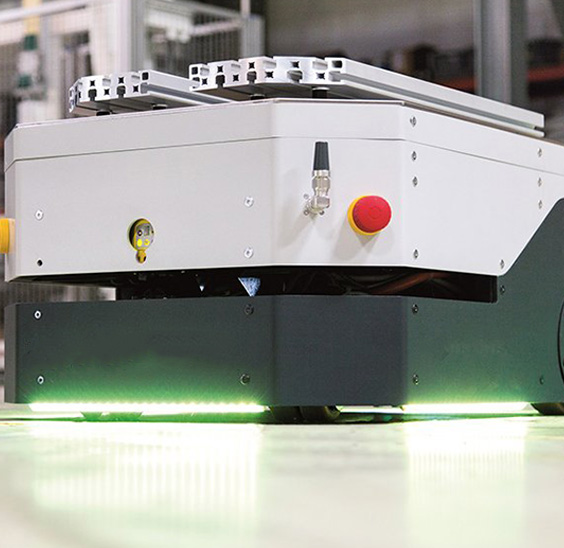
AGV

Otomatik Robotlar

lazer kesimi

Lojistik sıralama

Fotovoltaik güç istasyonu

Tıbbi cihazlar
Dişli Motor Torku Nasıl Hesaplanır: Mühendisler İçin Adım Adım Kılavuz
Tork, dişli motor seçiminde temel spesifikasyondur ve aynı zamanda en sık tahmin edilen, keyfi olarak yuvarlanan veya önceki bir tasarımdan doğrulama olmaksızın ileriye taşınan spesifikasyondur. Düşük tork seçiminin sonucu, motorun tam yük altında çalışmaya başlamaması, sürekli termal sınırında çalışması veya zamanından önce arızalanmasıdır. Aşırı büyük tork seçiminin sonucu, gereğinden fazla maliyetli olan, kısmi yükte fazla enerji tüketen ve kontrol sistemi tasarımını zorlaştıran tepki özellikleri (sertlik, atalet) sağlayabilen bir motordur.
Torkun spesifikasyon aşamasında doğru şekilde elde edilmesi tahmin işi değil, mühendislik işidir. Bu kılavuz, hesaplamayı sistematik olarak ele alır: çıkış milindeki yük gereksinimlerinden dişli redüksiyonuna, motorun nominal tork spesifikasyonuna kadar - ve her adımın dişli motorunun kullanımdaki performansına nasıl bağlandığını açıklar.
Torku Anlamak: Temel Bilgiler
Tork, bir dönme kuvvetidir; bir kuvvetin ve bu kuvvetin etki ettiği dönme eksenine dik mesafenin ürünüdür. SI birimi Newton-metredir (N·m); diğer yaygın birimler arasında kilogram-kuvvet santimetre (kgf·cm), pound-kuvvet feet (lbf·ft) ve pound-kuvvet inç (lbf·in) bulunur. Dişli motor spesifikasyonlarında en yaygın olarak N·m ve kgf·cm kullanılır; 1 N·m = 10,2 kgf·cm = 8,85 lbf·inç.
Tork ve güç, dönme hızıyla ilişkilidir: Güç (W) = Tork (N·m) × Açısal hız (rad/s)
Veya eşdeğer olarak: Güç (W) = Tork (N·m) × 2π × Hız (rpm) / 60
Bu ilişki önemlidir çünkü belirli bir güç çıkışı için tork ve hızın ters yönde değiş tokuş edildiği anlamına gelir; hızın yarıya indirilmesi mevcut torku iki katına çıkarır, bu da tam olarak vites küçültmenin sağladığı şeydir. dişli motor Çıkış torku, motorun kendi torkundan tam olarak daha yüksektir çünkü dişli kutusu hızı azaltır ve torku dişli oranı kadar artırır.
Adım 1: Çıkış Şaftında Gerekli Yük Torkunu Belirleyin
Dişli motor seçiminin başlangıç noktası, dişli kutusunun çıkış milinde gerekli olan torktur; yani mekanik işi yapan torktur. Bunu hesaplama yöntemi yükün türüne bağlıdır.
Doğrusal Yük (Kütlenin Hareket Ettirilmesi)
Dişli motor, bir kütleyi doğrusal olarak hareket ettiren bir mekanizmayı (bir taşıma bandı, bir kılavuz vidalı doğrusal aktüatör, bir kremayer ve pinyonlu tahrik) çalıştırıyorsa, gereken çıkış torku şöyledir:
T_yük = F × r
Burada F, yükü hareket ettirmek için gereken toplam kuvvettir (Newton cinsinden) ve r, tahrik elemanının (tekerlek, zincir dişlisi, pinyon yarıçapı) metre cinsinden yarıçapıdır.
Toplam kuvvet F şunları içerir:
Kütleyi hızlandırmak için gereken itici kuvvet (F = m × a, burada m toplam hareketli kütledir ve a, hedef ivme oranıdır) artı sürtünmeyi yenmek için gereken kuvvet (yatay hareket için F = m × g × µ, burada g 9,81 m/s² ve µ sürtünme katsayısıdır) artı özel uygulamadan gelen ek kuvvetler (karşıt yay kuvvetleri, sıvı direnci, eğimli hareket için yerçekimi bileşeni, vb.).
Örneğin: 0,1 sürtünme katsayısına ve 0,5 m/s² hedef ivmeye sahip, 100 mm çaplı bir makarayla tahrik edilen yatay bir bant üzerinde 50 kg'lık yük taşıyan bir konveyör:
İvme kuvveti: 50 × 0,5 = 25 N
Sürtünme kuvveti: 50 × 9,81 × 0,1 = 49 N
Toplam K: 74 N
Kasnak yarıçapı: 0,05 m
Gerekli çıkış torku: 74 × 0,05 = 3,7 N·m
Döner Yük (Dönen Bir Kütle veya Mekanizma)
Doğrudan döner bir yük için (dönen bir tambur, bir karıştırma küreği, bir döner tabla) gerekli tork, yük direncinin üstesinden gelmek ve dönme ataletini hızlandırmak için gereken torkların toplamıdır:
T_yük = T_sürtünme T_ivme
Burada T_friction, gereken hızda yatak sürtünmesinin ve yük direncinin üstesinden gelmek için sabit durum torkudur ve T_ivme, gerekli açısal ivmeyi elde etmek için gereken torktur: T_ivme = J × α, burada J, dönen sistemin atalet momentidir (kg·m² cinsinden) ve α, açısal ivmedir (rad/s² cinsinden).
Adım 2: Dişli Sistemi Verimliliğini Hesaplayın
Her dişli kademesi, dişli dişleri arasındaki örgü sürtünmesi nedeniyle güç kaybına neden olur. İyi durumdaki bir planet dişli kutusunun verimliliği kademe başına yaklaşık %95-97'dir; sonsuz dişli kutusunun verimliliği önemli ölçüde daha düşüktür (sonsuz vida ilerleme açısına ve oranına bağlı olarak %50-90); Düz dişli kademeleri tipik olarak kademe başına %97-99'dur.
Motor, yalnızca gerekli çıkış torkunu üretmek için değil, aynı zamanda dişli takımı kayıplarını da karşılamak için yeterli giriş torkunu sağlamalıdır. Gerekli motor torku (dişli kutusundan önce):
T_motor = T_çıkış / (i × η)
Burada i dişli redüksiyon oranıdır (çıkış mili hızı = motor hızı/i) ve η dişli kutusu verimliliğidir (ondalık sayı olarak ifade edilir, örneğin %95 için 0,95).
Yukarıdaki konveyör örneğini %95 verimlilikte 20:1 planet dişli kutusuyla kullanarak:
Gerekli motor torku: 3,7 / (20 × 0,95) = 0,195 N·m
Bu, yükü sürmek için motorun sürekli olarak üretmesi gereken torktur.
3. Adım: Güvenlik Faktörünü Uygulayın
Hesaplanan yük torku, idealleştirilmiş koşullara dayalı bir kararlı durum tahminidir. Uygulamada yüklerin değişkenliği vardır: birçok mekanizma için başlangıç sürtünmesi çalışma sürtünmesinden daha yüksektir; normal çalışma sırasında yük değişiklikleri meydana gelir; üretim toleransları, gerçek sürtünme ve atalet değerlerinin hesaplanan tahminlerden farklı olduğu anlamına gelir; sıcaklık değişiklikleri yağlayıcının viskozitesini ve sürtünme katsayılarını etkiler. Bu belirsizliklere ve ara sıra kararlı durum tasarım noktasının üzerindeki tepe yüklerine karşı bir marj sağlamak için hesaplanan torka bir güvenlik faktörü uygulanır.
Dişli motor seçiminde ortak güvenlik faktörleri:
- Düzgün, iyi tanımlanmış yükler (konveyörler, fanlar): 1,25–1,5×
- Orta düzeyde şok yükleri (aralıklı mekanizma tahrikleri): 1,5–2,0×
- Ağır şok yükleri (presler, çeneli kırıcılar, yüksek ataletli start-stop tahrikleri): 2,0–3,0×
1,5× güvenlik faktörlü konveyör örneği için:
Seçilen motor nominal torku ≥ 0,195 × 1,5 = 0,293 N·m
0,3 N·m veya daha yüksek nominal sürekli torka sahip bir motor, 20:1 dişli kutusuyla birlikte bu uygulama için uygun bir seçim olacaktır.
Adım 4: Tepe Tork Gereksinimlerini Kontrol Edin
Birçok dişli motor hem sürekli bir nominal torka (nominal sıcaklıkta süresiz olarak çalışabilecekleri tork) hem de bir tepe veya maksimum torka (kısa süreler için mevcut olan daha yüksek tork - tipik olarak başlatma veya hızlanma sırasında) sahiptir. Uygulama başlatma veya hızlanma sırasında sürekli nominal torku aşan bir tork artışı gerektiriyorsa, seçilen motorun tepe tork spesifikasyonunun tepe talep için yeterli olduğu doğrulanmalıdır.
Nominal torkunun ötesinde sürekli olarak aşırı yüklenen bir motor aşırı ısınır; bakır kayıpları akımın karesi olarak ölçeklenir ve akım, bir DC motor için torkla ölçeklenir. Nominal torkunun %150'sini sürekli olarak üretmesi istenen bir motor, nominal termal kayıplarının 2,25 katını dağıtacaktır; bu da motorun termal kapasitesini aşar ve sargı yalıtımının bozulmasına ve sonuçta arızaya yol açar. Başlatma sırasında birkaç saniye boyunca nominal torkun %150'sini üretmesi ve ardından görev döngüsünün geri kalanında nominal torkun altına inmesi istenen bir motor, eğer görev döngüsü tepe noktaları arasında yeterli soğutmaya izin veriyorsa, termal kapasitesi oldukça dahilinde olabilir.
5. Adım: Çıkış Hızının Uygulama Gereksinimleriyle Eşleştiğini Doğrulayın
Gerekli çıkış torkunu ve gerekli dişli redüksiyonunu belirledikten sonra çıkış hızı bir kontrol olarak doğrulanmalıdır. Bir dişli motorun çıkış mili hızı:
n_çıktı = n_motor / i
Burada n_motor, motorun nominal hızıdır (rpm cinsinden) ve i, dişli oranıdır.
20:1 dişli kutusuyla 3.000 dev/dak olarak derecelendirilen bir motor için çıkış hızı 150 dev/dak'dır. Uygulama 100 rpm gerektiriyorsa bunun yerine 30:1 oranı gerekir; 200 devir/dakika gerektiriyorsa 15:1 oranına ihtiyaç vardır. Seçilen dişli oranının, motorun verimli çalışma aralığına karşılık gelmeyen rastgele bir hızdan değil, motorun nominal çalışma hızından gerekli çıkış hızını sağladığını doğrulayın.
Anahtar Dişli Motor Torku Teknik Özelliklerinin Açıklaması
| Şartname | Tanım | Tasarım Uygulaması |
|---|---|---|
| Nominal tork (sürekli) | Motorun nominal termal koşullarda süresiz olarak çalışabileceği maksimum tork | Hesaplanan kararlı durum yük torku × güvenlik faktörüne eşit veya bu değerden fazla olmalıdır |
| Tepe torku (maksimum) | Kısa süreli talep için mevcut maksimum tork (saniyelerden onlarca saniyeye kadar) | Uygulamadaki en kötü başlatma veya hızlanma torkunu aşmalıdır |
| Durma torku | Sıfır hızda geliştirilen tork (mümkün olan maksimum tork) | Tam yükte başlatılması gereken uygulamalarla ilgilidir; durma torku >> çoğu motor için nominal tork |
| Nominal hız (çıkış) | Nominal yük koşullarında çıkış mili hızı | Uygulamanın gerekli çıkış hızıyla eşleşmelidir |
| Yüksüz hız (çıkış) | Sıfır yük torkunda çıkış mili hızı | Nominal hızdan daha yüksek; gerçek çalışma hızı, yüke bağlı olarak nominal ile yüksüz arasında olacaktır |
| Dişli oranı | Motor hızının çıkış mili hızına oranı | Motor hızından çıkış torku çarpımını ve çıkış hızını belirler |
| Şanzıman verimliliği | Çıkış miline iletilen giriş mekanik gücünün oranı | Gerekli motor torkunu etkiler; verim kayıpları dişli kutusunda ısı olarak ortaya çıkar |
| Radyal yük kapasitesi | Çıkış miline dik olarak uygulanabilecek maksimum kuvvet | Tahrik edilen mekanizmadan (dişli, kasnak, pinyon) gelen radyal kuvvetleri aşmalıdır |
| Eksenel yük kapasitesi | Çıkış mili ekseni boyunca maksimum kuvvet | Kayış gerginliği, kurşun vida ön yükü veya doğrudan itme kuvveti olan uygulamalar için uygundur |
Kaçınılması Gereken Yaygın Hesaplama Hataları
Hızlanma torkunu dahil etmeyi unutmak en sık yapılan hatalardan biridir. Kararlı durumda gerekli tork makul düzeyde olabilir; Durgunluktan çalışma hızına hızlanma aşamasında, mekanizmanın ataletini hızlandırmak için gereken tork, kararlı durum değerinin birkaç katı olabilir. Önemli dönme ataletine sahip mekanizmalar (büyük volanlar, ağır dönen tamburlar, yüksek ataletli konveyör sistemleri) için hızlanma torku açıkça hesaplanmalı ve motorun tepe tork kapasitesiyle karşılaştırılmalıdır.
Dişli kutusu tipi için yanlış verimlilik varsayımının kullanılması diğer bir yaygın hatadır. Türüne bakılmaksızın tüm dişli kutuları için %95 verim varsaymak, yüksek redüksiyon oranlarında %50-60 kadar düşük verimliliğe sahip olabilen sonsuz dişli dişli kutuları için önemli ölçüde yanlış sonuçlar doğurur. %50 verimliliğe sahip bir sonsuz dişli kutusu, aynı orana sahip %95 verimliliğe sahip bir planet dişli kutusuyla karşılaştırıldığında belirli bir çıkış torku için iki kat daha fazla motor torku gerektirir; motor boyutu farkı önemlidir.
Uygulamanın görev döngüsünün göz ardı edilmesi, termal değerlerin aşırı büyük veya küçük olmasına yol açar. Sürekli çalışan tepe tork için boyutlandırılmış bir motor, ortalama yükün tepe noktanın oldukça altında olduğu aralıklı çalışma uygulaması için büyük boyuta sahip olacaktır. Bunun tersine, aralıklı çalışma uygulamasında ortalama torka göre boyutlandırılmış bir motor, her çevrimin başında tepe torklar meydana gelirse yeterli olmayabilir çünkü tekrarlanan tepe yükler sırasında motorun termal birikimi, ortalama yük kabul edilebilir olsa bile termal sınırlarını aşabilir.
Sıkça Sorulan Sorular
Dişli motorunun nominal torku ile dişli kutusunun izin verilen torku arasındaki fark nedir?
Bir dişli motor spesifikasyonu, her ikisine de uyulması gereken iki tork limiti içerir: motorun nominal sürekli torku (motorun termal ve elektromanyetik kapasitesi ile sınırlıdır) ve dişli kutusunun izin verilen çıkış torku (dişli kutusu içindeki dişli dişlerinin, millerinin ve yataklarının mekanik gücü ile sınırlıdır). Çoğu entegre dişli motor tasarımında bu iki sınır eşleştirilir; dişli kutusu, motorun nominal çıkışında üretebileceği torku karşılayacak şekilde tasarlanmıştır. Bununla birlikte, bir motorun ayrı olarak belirlenmiş bir dişli kutusuyla eşleştirildiği modüler sistemlerde, dişli kutusunun izin verilen torkunun bağımsız olarak doğrulanması gerekir. Dişli kutusunun izin verilen değerinden daha yüksek tepe torkları üretebilen bir motorla eşleştirilmiş bir dişli kutusu, motorun termal değeri hiçbir zaman aşılmasa bile, sonunda dişli kutusu arızasına neden olacaktır.
Dişli motorla tahrik edilen kurşun vidalı doğrusal aktüatör için gerekli torku nasıl hesaplarım?
Bir kılavuz vida tahriki için, kılavuz vida somununda gereken çıkış torku şöyledir: T = F × L / (2π × η_screw), burada F, kılavuz vida üzerindeki eksenel kuvvettir (yük kuvveti artı vidadaki somundan gelen sürtünme kuvveti), L vidanın ucudur (metre cinsinden devir başına kat edilen mesafe) ve η_vida vidanın mekanik verimliliğidir. Kılavuz vida verimliliği, giriş açısına ve sürtünme katsayısına bağlıdır; genellikle bilyalı olmayan vidalar için %20-70 ve bilyalı vidalar için %85-95'tir. Daha sonra dişli motor, kılavuz vidayı hesaplanan tork gereksiniminde döndürmek için çıkış milinde yeterli tork üretmelidir. Hassas doğrusal konumlandırma uygulamaları için, boşluk konumlandırma doğruluğunu belirlediğinden, torkun yanı sıra hem dişli motorun hem de kılavuz vidanın boşluk özelliği de dikkate alınmalıdır.
Torku hesaplamadan bir dişli motoru seçmek için güç değerini tek başına kullanabilir miyim?
Güvenilir değil. Güç değeri tek başına motorun, uygulamanın gerçekten ihtiyaç duyduğu hız ve tork kombinasyonunda gücünü üretip üretmediğini belirlemez. Aynı güç derecesine sahip iki motor çok farklı tork çıkışlarına sahip olabilir — 1000 rpm'de 100 W'lık bir motor 0,95 N·m çıkış torku üretir; aynı 100 W'lık motor 100 rpm'de 9,5 N·m üretir. Uygulamanız 120 rpm'de 8 N·m'ye ihtiyaç duyuyorsa, ilk motor gücüne rağmen yetersiz, ikincisi ise uygundur. Her zaman hem gerekli torku hem de gerekli hızı belirtin; güç derecesi bu iki değerin türetilmiş bir sonucudur, bunların yerine geçebilecek bağımsız bir spesifikasyon değildir.
Planet Dişli Motorları | Fırçasız DC Dişli Motorları | Fırçalanmış DC Dişli Motorları | Mikro AC Dişli Motorları | Hassas Planet Şanzıman | Bize Ulaşın
İlgili Ürünler
-
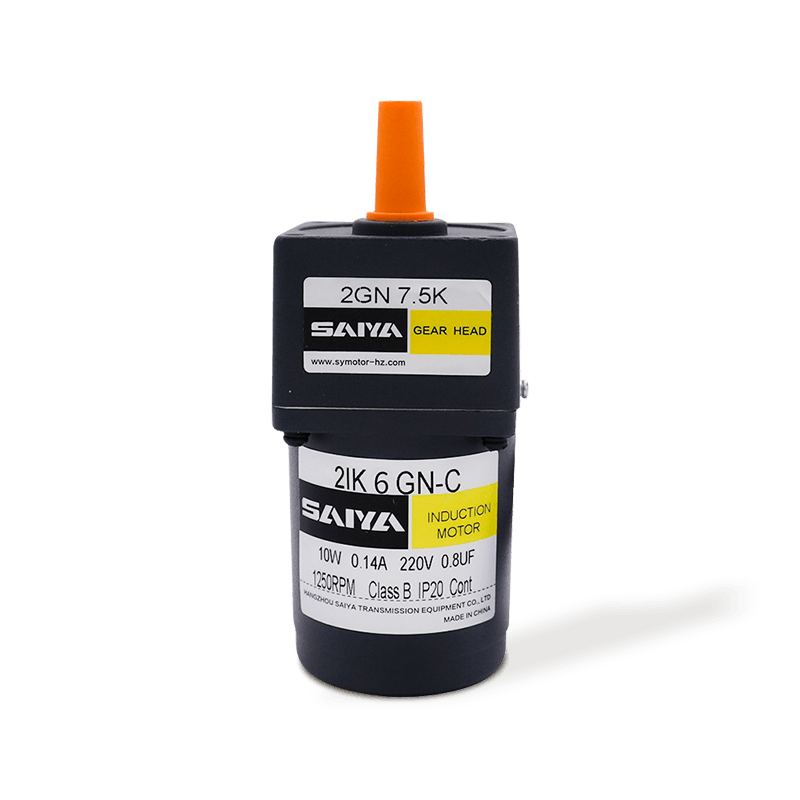
Bu 6W indüksiyon AC dişli motoru, çok çeşitli endüstriyel ve ev uygulamaları için uygun verimli, kompakt ve güvenilir küçük bir motordur. Tek fazlı 110V ile üç fazlı 220V arasında değişen voltajlar...
Detaylara bakın -
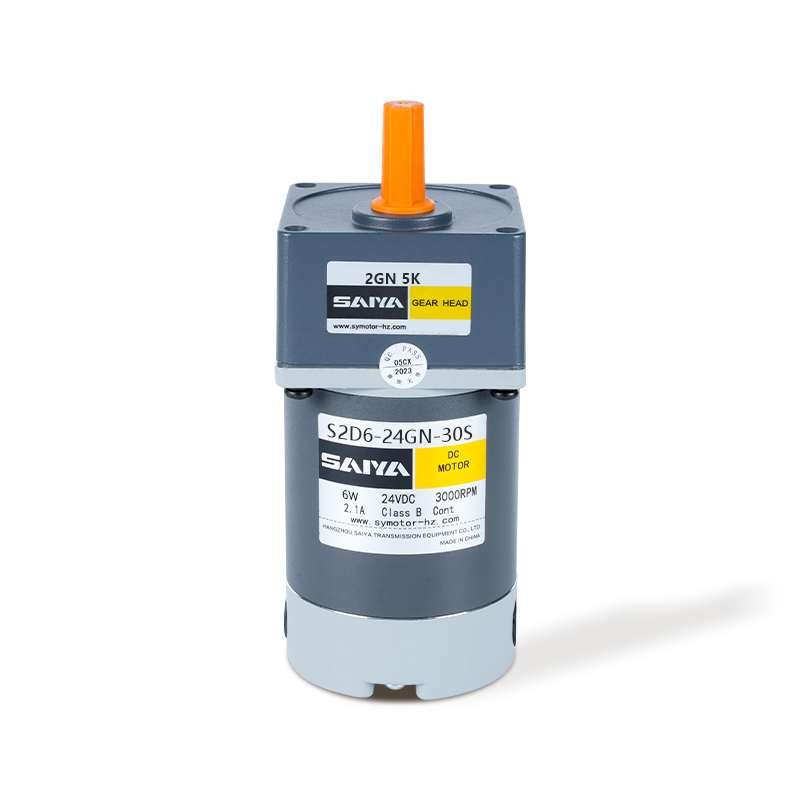
6W Fırça DC GBear motoru, çeşitli uygulamalar için uygun, verimlilik ve çok yönlülük için tasarlanmıştır. 60mm x 60mm kompakt bir çerçeve boyutu ile, sıkı boşluklara sorunsuz bir şekilde sığar. Mot...
Detaylara bakın -
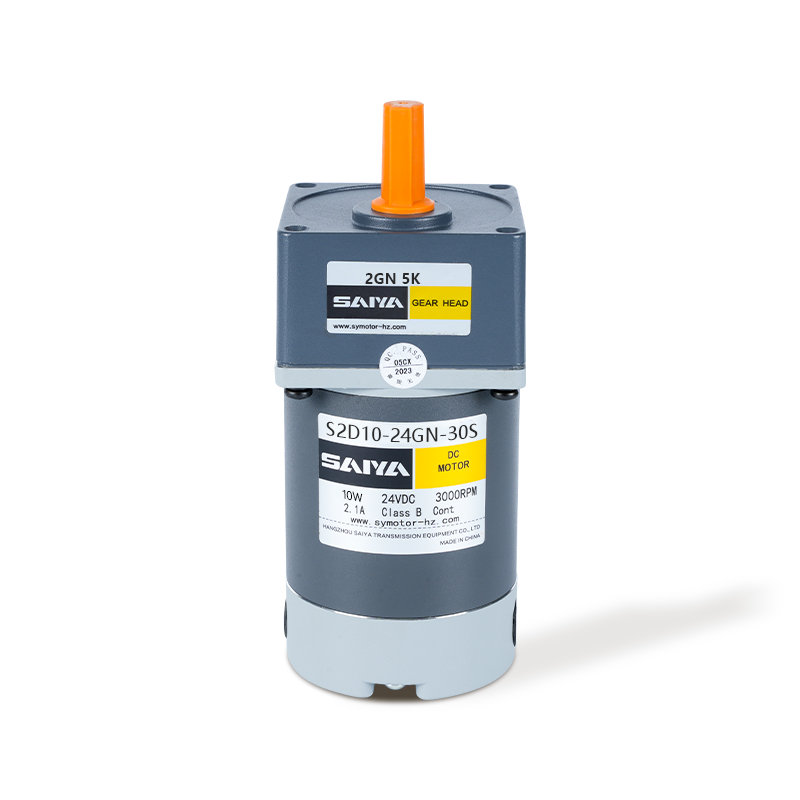
10W Fırça DC dişli motoru, bir dizi endüstriyel ve hobi uygulaması için yüksek performans ve uyarlanabilirlik sunar. 60mm x 60mm çerçeve boyutu ile bu motor, güçten ödün vermeden kapalı alanlara sı...
Detaylara bakın -
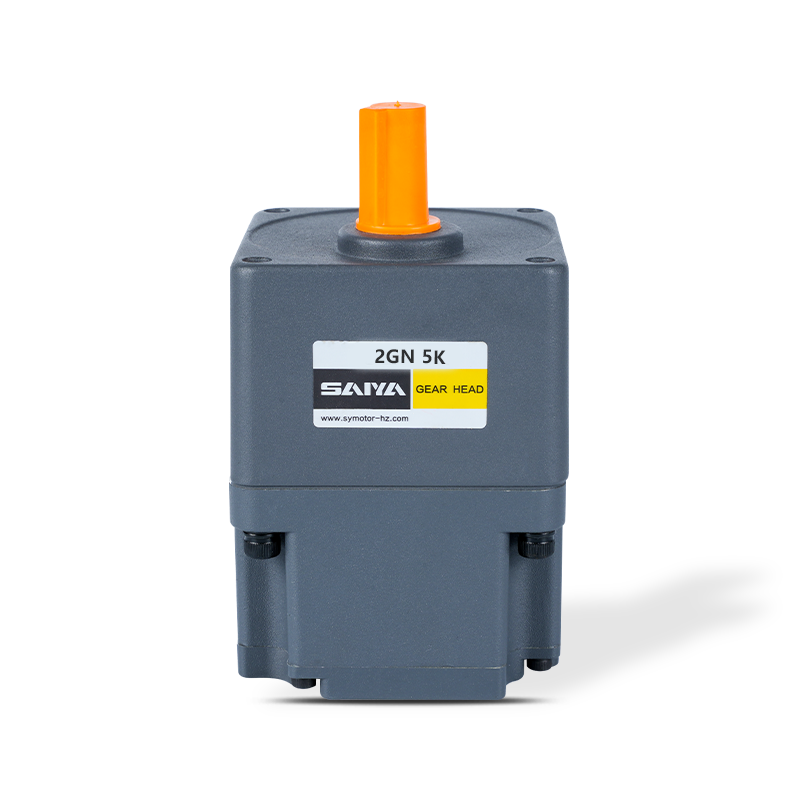
24V fırçasız dişli motoru, çeşitli uygulama için tasarlanmış çok yönlü ve verimli bir motordur. 60mm x 60mm ila 104mm x 104mm arasında değişen boyutlarla, bu motor çeşitli ekipman boyutlarına sığab...
Detaylara bakın -
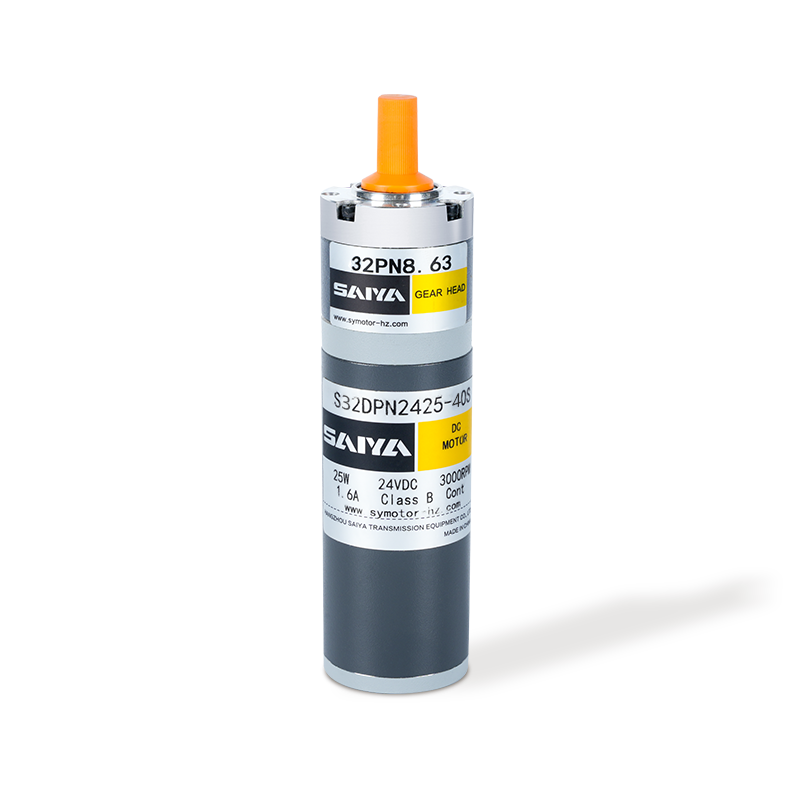
32 mm fırçalanmış gezegen dişli motoru, yüksek tork ve hassas kontrol gerektiren çeşitli uygulamalar için tasarlanmış kompakt ve verimli bir çözümdür. 32 mm çapında, bu motor, alanın premium olduğu...
Detaylara bakın -
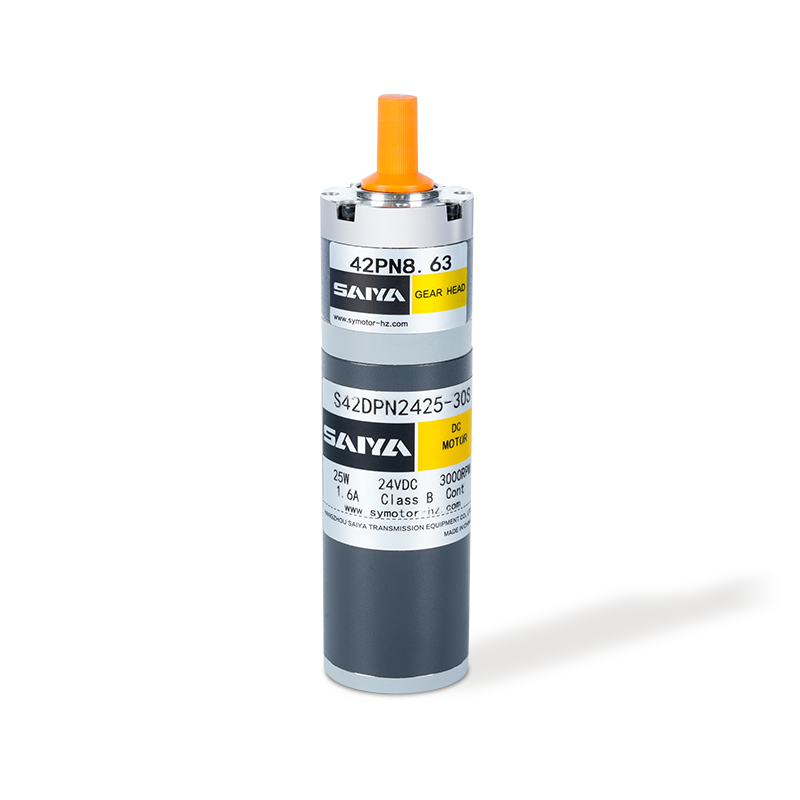
42mm fırça gezegen dişli motoru, hassas tork ve hız kontrolü gerektiren çeşitli uygulamalarda yaygın olarak kullanılan çok yönlü ve verimli bir bileşendir. 0.7 ila 1.1A arasında değişen nominal bir...
Detaylara bakın -
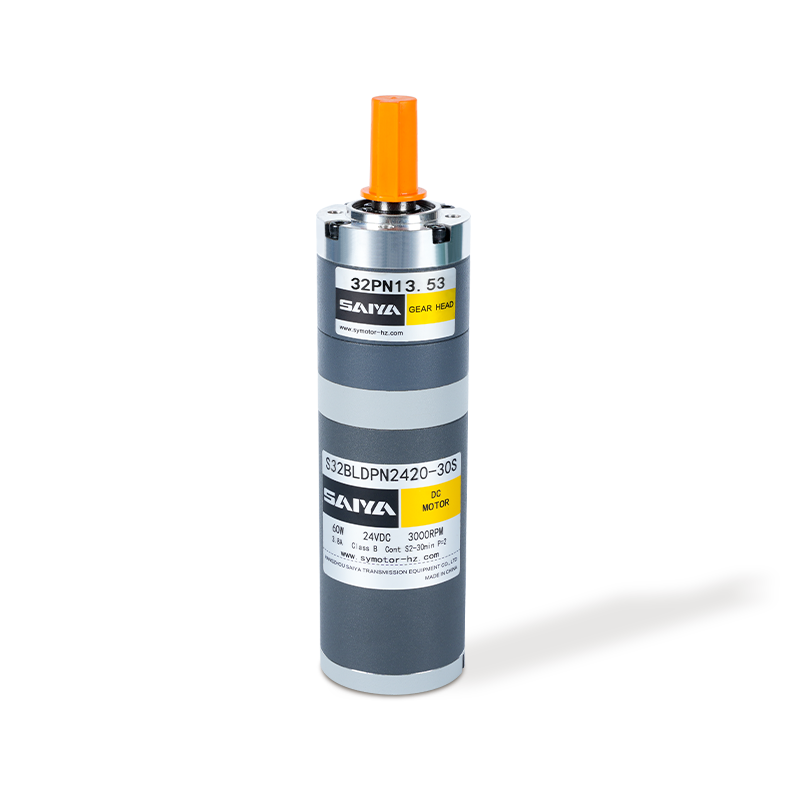
32mm fırçasız gezegen dişli motoru, verimlilik ve güvenilirlik gerektiren uygulamalar için ideal olan yüksek performanslı, kompakt bir çözümdür. 24V nominal voltajda çalışan ve 20W güç tüketen bu m...
Detaylara bakın -
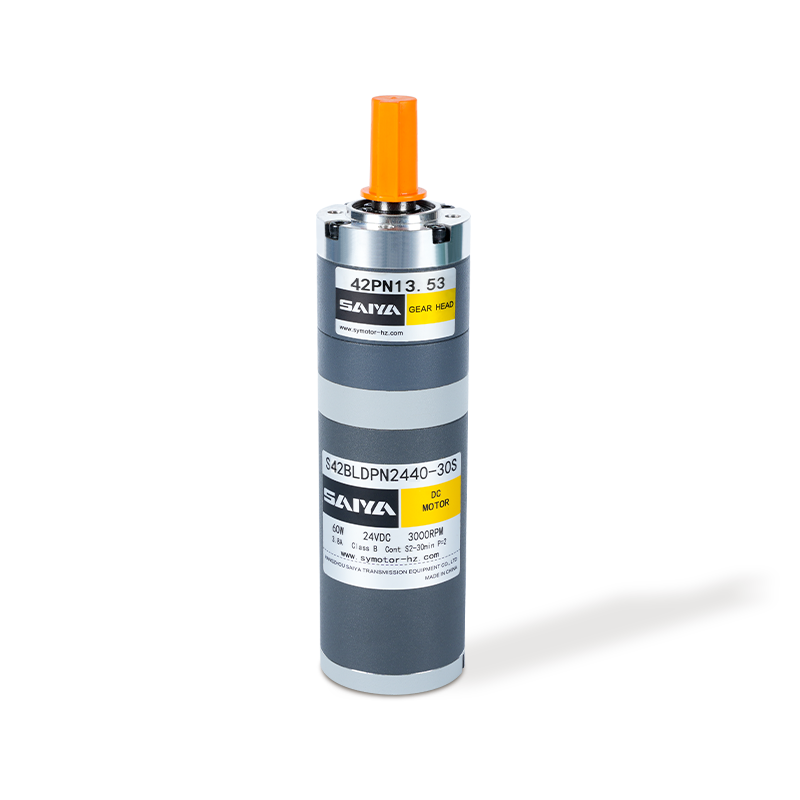
42mm fırçasız gezegen motoru, hassas iletim gerektiren çeşitli senaryolarda yaygın olarak kullanılan yüksek verimli bir motor ürünüdür. Bu motorun nominal akımı 1.3A ve nominal tork 0.048n.m'd...
Detaylara bakın -
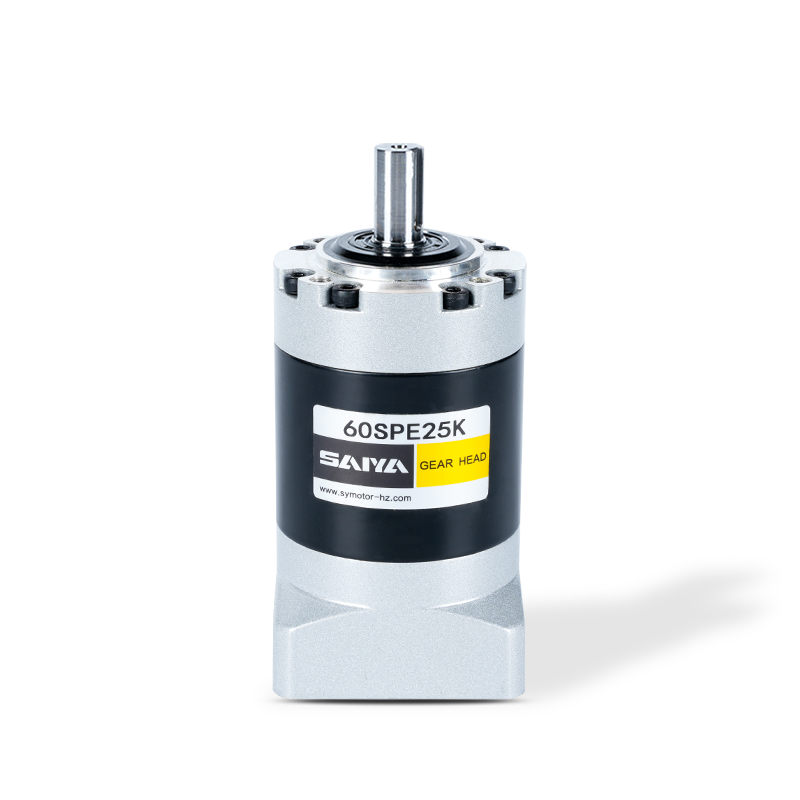
40, 60, 80, 120 ve 160 modellere sahip Flanş Boyut Aralığı SPE Serisi şanzımanlar, verimli ve sağlam güç iletim çözümleri sağlamak için tasarlanmıştır. Bu dişli kutuları, yuvarlak bir çıkış flanşın...
Detaylara bakın -
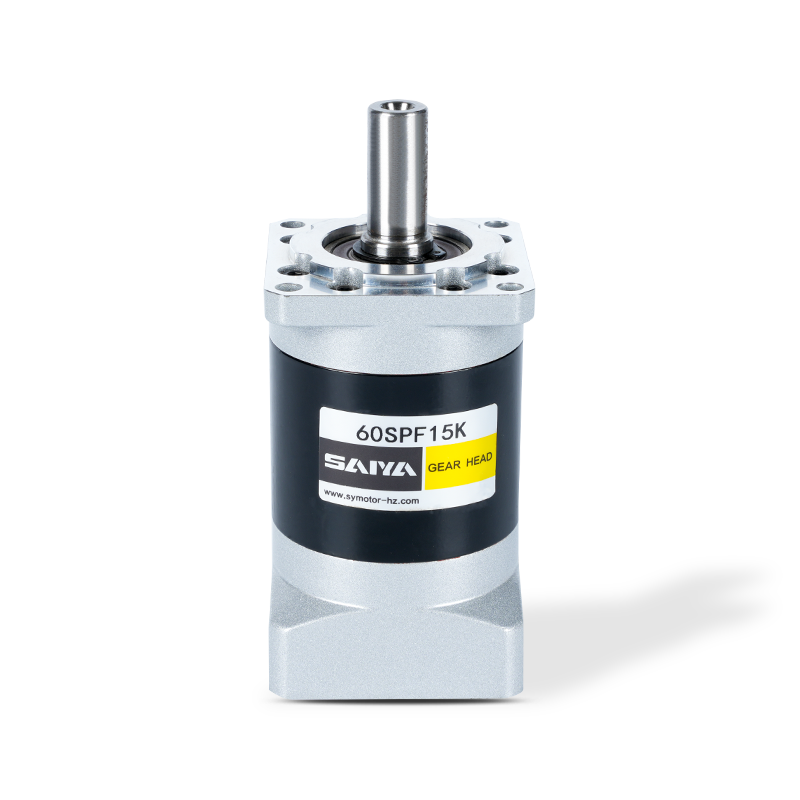
SPF serisi, 40mm ila 160 mm arasında boyutları barındıran kare çıkış flanşları ile birlikte. Bu flanşlar, çeşitli endüstriyel uygulamalarda mükemmel olmak üzere tasarlanmıştır ve bir dizi gereksini...
Detaylara bakın -
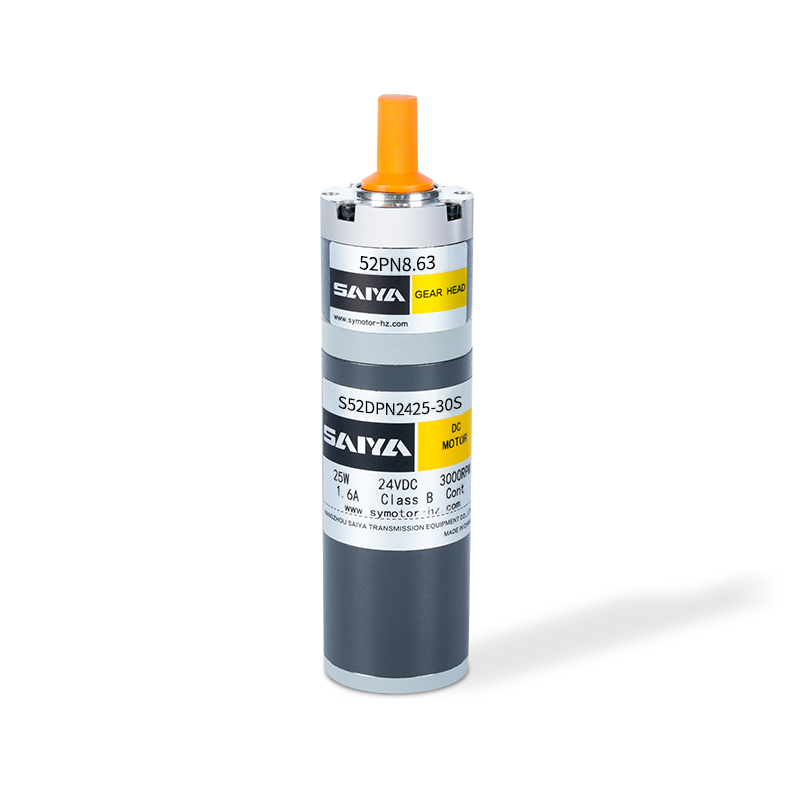
52mm fırçalanmış gezegen dişli motoru, yüksek tork ve hassas kontrol gerektiren çeşitli uygulamalar için tasarlanmış kompakt ve verimli bir çözümdür. 52 mm çapında, bu motor, alanın premium olduğu ...
Detaylara bakın -
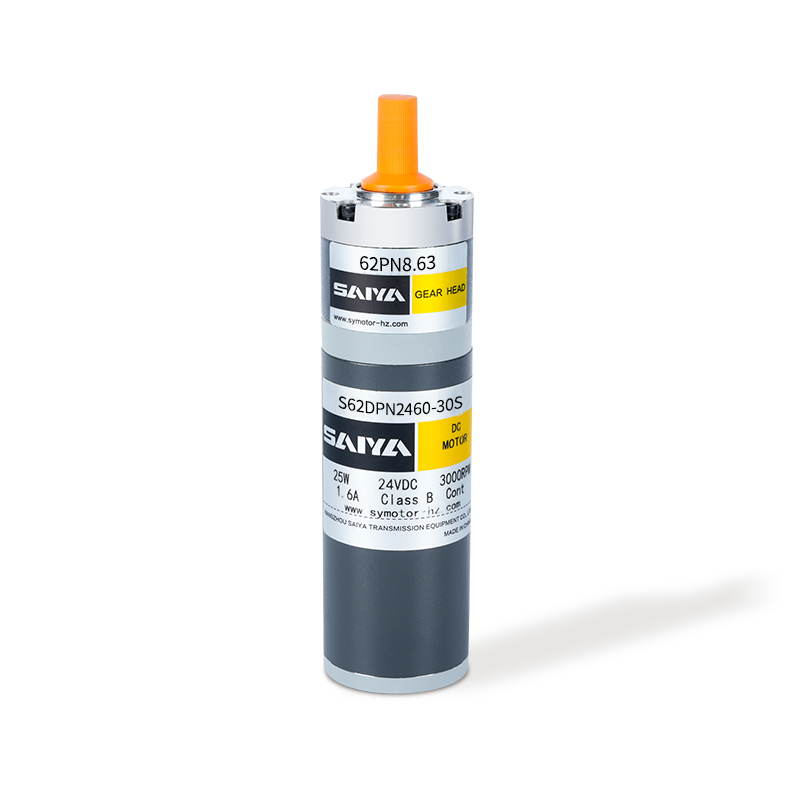
62mm fırça gezegen dişli motoru, hassas tork ve hız kontrolü gerektiren çeşitli uygulamalarda yaygın olarak kullanılan çok yönlü ve verimli bir bileşendir. 2,5 ila 5.5A arasında değişen nominal bir...
Detaylara bakın
İletişim bilgileri
- TEL: 0086-0571-86951513/86951543
- Fax: 0086-571-86040769
- E-mail: [email protected] / [email protected] / [email protected]
- Ofis: Hangzhou Saiya Transicisson Equipment Co., Ltd
- Office Address: Oda 2201, Wanyin Binası, Hangzhou City, Zhejiang Eyaleti
- Fabrika: Zhejiang Saiya Akıllı Üretim A.Ş., Ltd.
- Factory Address: No.35 Bina, Zhongnan Yüksek teknoloji Yunhe Zhigu Endüstri Parkı, Xinan Kasabası, Deqing County, Huzhou City, Zhejiang, Çin
Hızlı bağlantı
ÜRÜN
Eğer ilgileniyorsanız
Ürünlerimizde,
Lütfen bize danışın
Copyright © Zhejiang Saiya Akıllı Üretim A.Ş., Ltd. All Rights Reserved.
Özel Dişli Azaltma Motorları Tedarikçiler
